Verified child identity
Schools certify minors so participating games, social networks and websites can keep adults out of child-only interaction spaces.
Core protocol →
Because schools certify the child and the system can also connect with verified parents, schools and approved institutions, UuLApp creates the foundation for a wider set of services: digital-safety education, e-learning, libraries, alerts, support and international cooperation.

The core verification protocol must work independently. Additional services can then be introduced gradually, only when the necessary schools, public authorities, universities, NGOs, child-protection organisations and technology partners are ready.
Schools certify minors so participating games, social networks and websites can keep adults out of child-only interaction spaces.
Core protocol →E-classes, educational resources, peer help, global teachers, school libraries, competitions and access to learning partners.
Learning layer →Age-appropriate guidance grows with the child: privacy, sharing, scams, bullying, grooming risks, passwords, reporting and responsible digital behaviour.
Digital safety curriculum →With the right public-authority partnerships, the same verified network can help distribute official missing-child and emergency information quickly to relevant families and schools.
Alert model →Through verified NGOs, universities, helplines and qualified professionals, UuLApp can develop dedicated support channels — potentially across time zones for wider availability — without placing adults inside child-only social spaces.
Support partnerships →A separate professional layer can admit schools, universities, licensed teachers and verified educational organisations so families can distinguish legitimate providers from anonymous accounts.
Verified learning network →The strongest model is gradual: first establish trust, then add services that benefit from that trust.
School-issued child credentials, age groups, revocation, audit and platform interaction rules.
Short lessons and safety prompts that teach children how to recognise and avoid online risks.
School e-classes, libraries, global educational partnerships, peer help, seminars and opportunities.
Authority-linked missing-child/disaster information and carefully separated professional support channels.
A school relationship means the system can distinguish a real student from an anonymous account. A verified parent relationship can create a trusted family contact route. Approved institutions can then provide services to known categories of users without needing every child to expose their full identity.
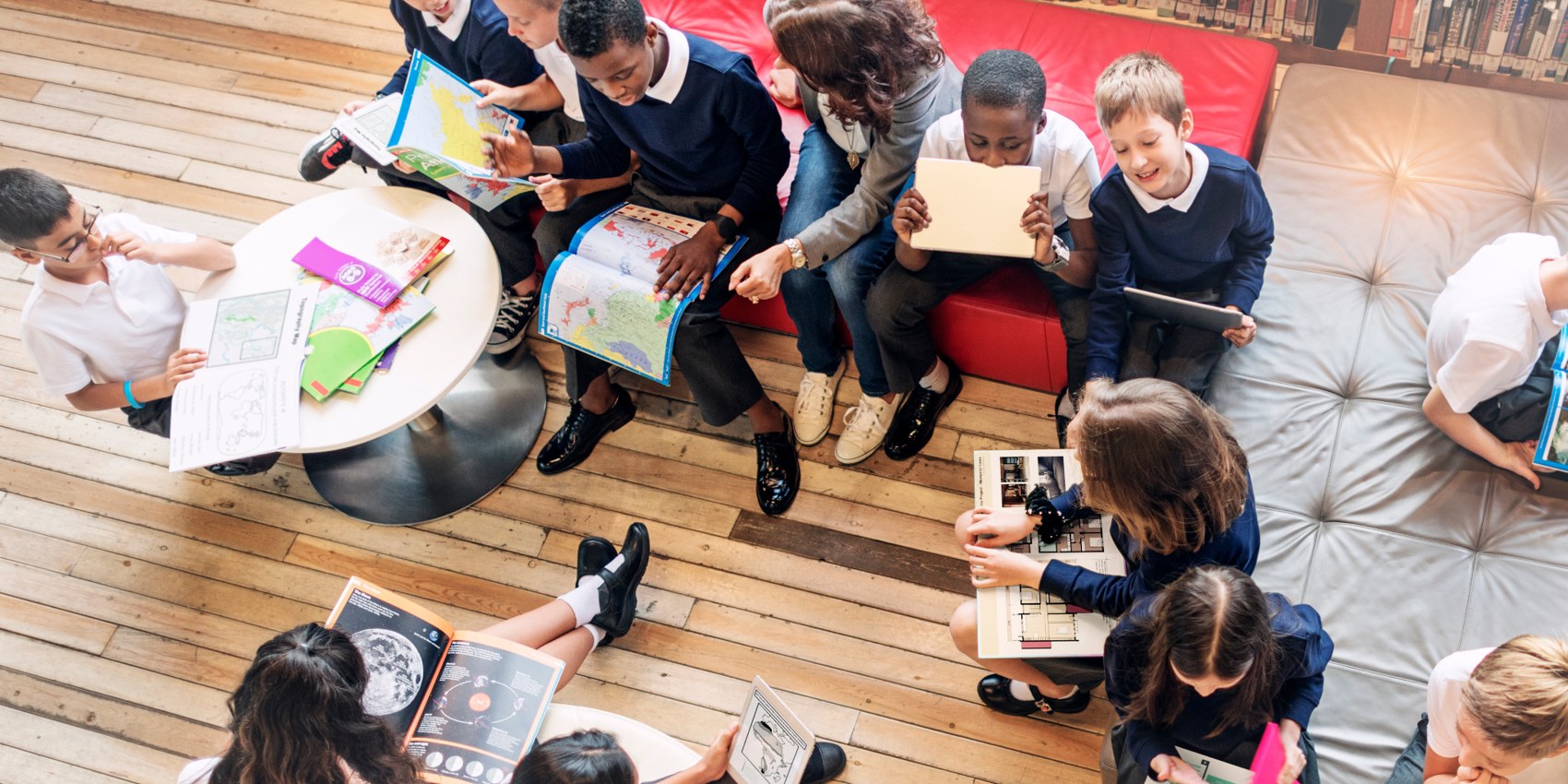
As partnerships and infrastructure grow, UuLApp can add learning, digital-safety education, alerts and professional support while keeping the original school-verified identity rule at the centre.