
Protecting a child online is stronger when the child also learns how to protect themselves.
The UuLApp vision combines verified child identity with gradual digital-safety education and, through partnerships, a wider learning network for schools, students, parents and educators.

A safety curriculum that grows with the child.
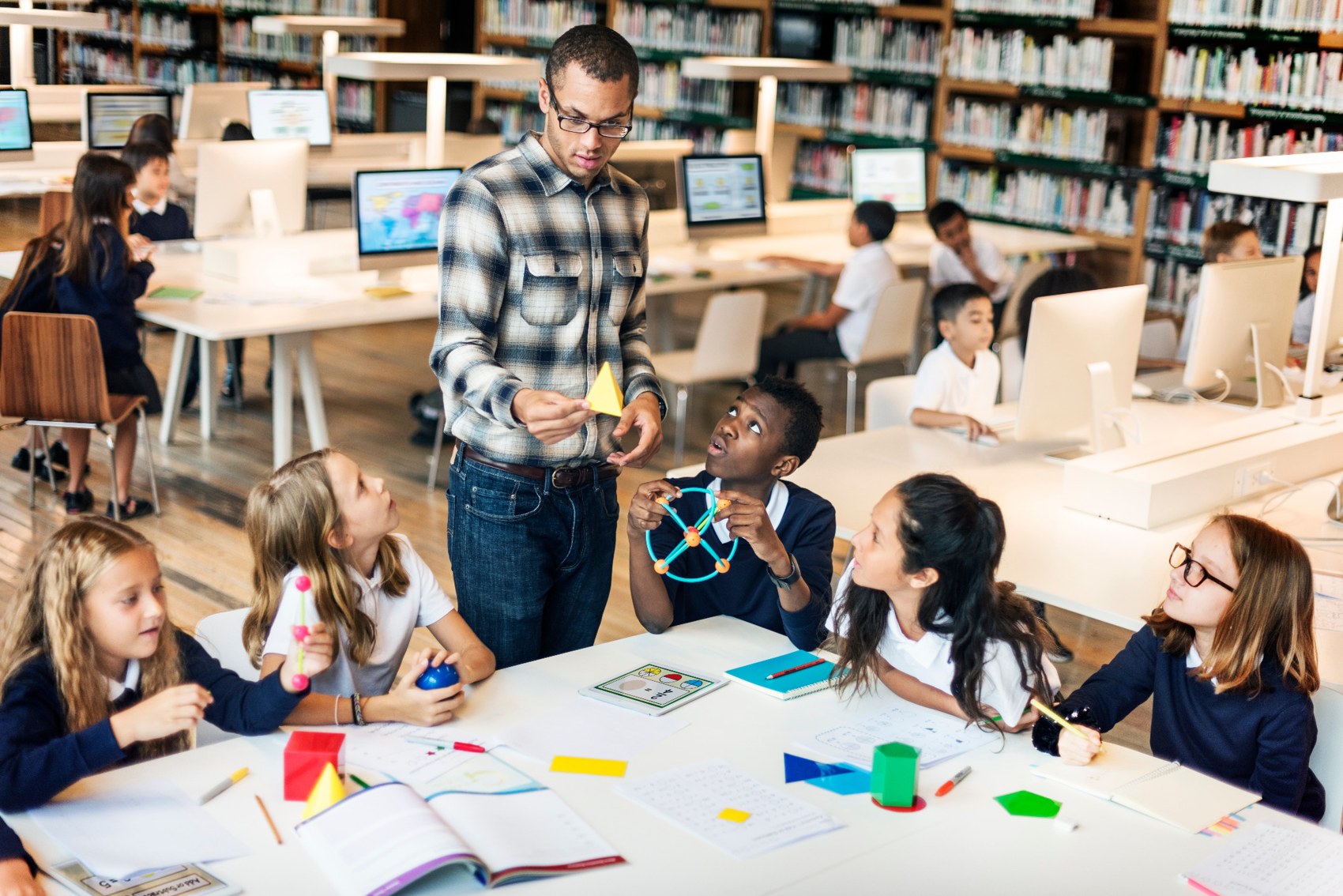
Instead of a single warning page, children can receive age-appropriate guidance over time. Short lessons, examples and quizzes can appear before greater online freedom is granted or at the exact moment a risky action is about to happen.
Teach the risk when the decision is being made.
A child understands safety better when the lesson is connected to a real action.
- Before uploading a photo: explain who may see it and why copies can persist.
- Before sharing location: explain why precise location can create risk.
- Before accepting a new contact: explain how verified age and permitted groups work.
- After a suspicious message: show the reporting route and what information should not be shared.
- As the child matures: expand the curriculum and, where appropriate, the permitted interaction range.
Once users are verified, education can be organised around real students and real institutions.
The UuLApp concept can support or integrate with existing e-learning systems rather than forcing every school to replace its current tools.

School e-classes
Schools can provide online lessons, seminars, homework, tests, class material and controlled communication.

Global educational partners
Universities, licensed educators, language schools and specialist organisations can offer courses through clearly verified institutional or professional roles.
Libraries & shared knowledge
Public, school and institutional libraries can expose appropriate resources to verified student groups, while schools can maintain their own controlled collections.

Peer-to-peer help
Schools can create “kid-to-kid” academic help where older or high-performing students support younger students under school-defined rules.

Competitions & projects
Verified age and education bands make it easier to organise fair inter-school competitions, collaborative projects and student publishing.

Equal access opportunities
Through schools, foundations and charities, the network can help connect underserved children with scholarships, lessons and educational resources.
The UuLApp vision is to make core online-learning tools available free of charge to schools and non-profit organisations worldwide.
A verified school network can provide more than safer identity. It can give schools and public-interest organisations a common digital route for classes, materials, seminars, tests, libraries and student support without requiring every institution to build the same infrastructure from the beginning.
Schools
Core e-learning tools can support online classes, homework, tests, teacher/parent seminars, school notices and controlled student collaboration.
Non-profit organisations
Verified NGOs and foundations can use the learning layer to offer free educational and child-support resources to appropriate groups of children and parents.
Libraries & knowledge partners
Public, school, university and partner libraries can make appropriate resources available to verified student groups with clear access rules.
Children should know that an online educator is a real, authorised professional — not another anonymous account.
In a later learning layer, private educators, tutoring organisations, universities and educational providers can participate through separately verified professional identities. Where licensing or professional authorisation exists, that status can form part of the provider-verification process.
Verified provider identity
Professional educators remain clearly identified as adults and never enter child-only social or gaming pools as minors.
Free and paid learning can coexist
School and non-profit learning can remain free, while optional courses from independent verified providers may be free or paid under transparent terms chosen by families.
Safety stays separate from commerce
The free UuLApp protocol and child-safety status do not depend on buying a course, and child-verification data should not become a behavioural advertising profile.
Education can include adults — but not by pretending they are children.
Teachers, tutors, counsellors and specialists use a separate verified professional role. Their communication is limited to the educational or support context authorised for that service.
This preserves the child-only social/gaming principle while still allowing legitimate education and support.